
Let’s talk about how to build a skincare routine for acne-prone skin.
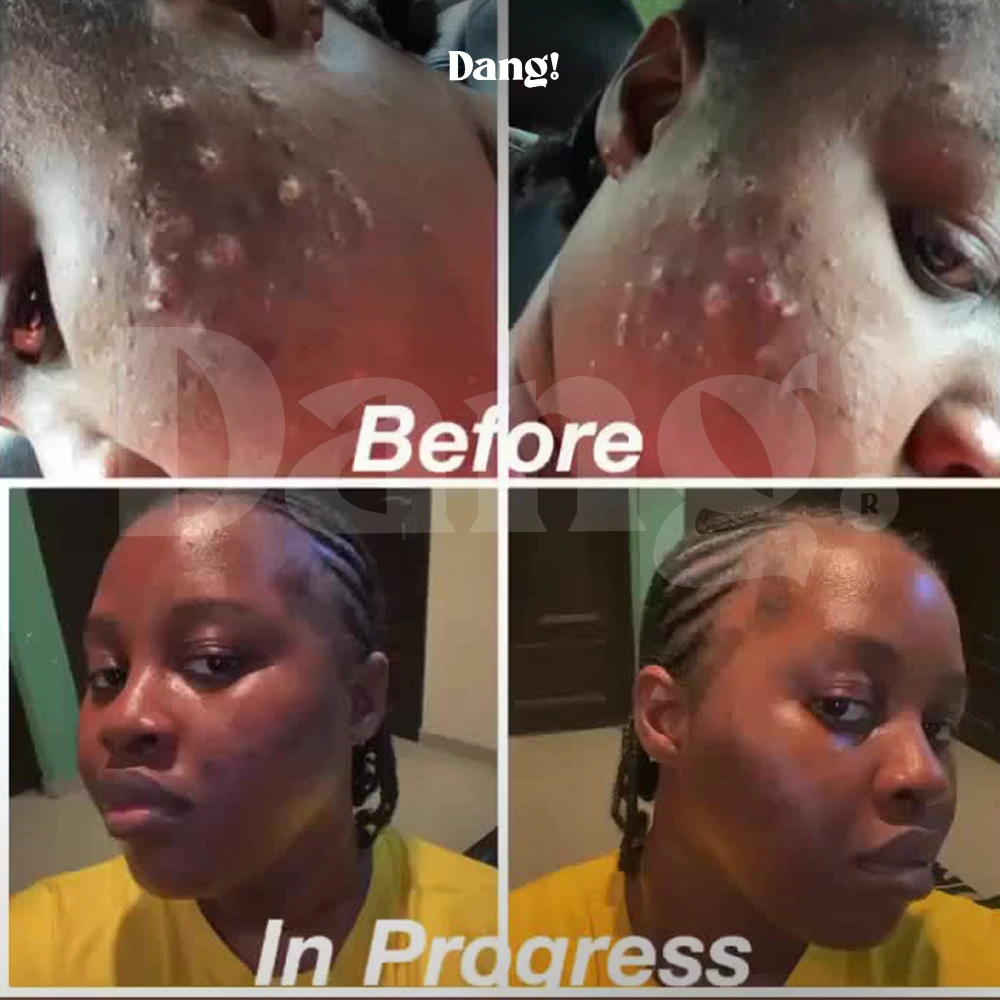
Acne is more than just a few pimples that show up before an important event. For people of colour, it often comes with an added layer of frustration: dark spots, uneven tone, and scars that linger long after the breakout has healed.
If you’ve ever wondered why acne seems harder to manage on melanin-rich skin or how to build a skincare routine that clears the dark spots and protects your glow, you’re in the right place.
As a melanin-rich skincare-focused brand dealing with skin of colour concerns like acne, hyperpigmentation, textured skin, among others, for over 4 years, we’ll walk you through how to create a skincare routine for acne-prone skin.
You’ll discover the skincare products and routine that treat breakouts and protect your skin from long-term damage.
Let’s start at the root.
Key Takeaways: Skincare Routine for Acne-Prone Skin
The best skincare routine for acne-prone skin, especially melanin-rich skin, focuses on clearing breakouts while preventing dark spots and long-term damage. Start with a gentle, non-stripping cleanser, follow with targeted serums like niacinamide, azelaic acid, or retinoids, then lock in moisture with a lightweight, barrier-supporting moisturizer. Always finish with a broad-spectrum sunscreen (SPF50) in the morning to protect healing skin and prevent hyperpigmentation. Add gentle exfoliation 1-2 times a week and consider professional treatments for severe acne or stubborn marks. Consistency and products formulated for skin of colour are key to achieving clearer, brighter, and healthier-looking skin.Understanding Acne: What’s Happening Under Your Skin
Acne occurs when your pores become clogged with excess oil (sebum), dead skin cells, and bacteria. For people of colour (Fitzpatrick III–VI), inflammation often triggers melanin overproduction. Indeed, acne-induced PIH occurs in about 65 % of African-American, 53 % of Hispanic, and 47 % of Asian patients, leading to dark marks even after acne heals. The culprits?- Excess oil production: often influenced by hormones.
- Clogged pores: dead skin cells are not shedding properly.
- Bacteria (C. acnes) feed inside blocked pores.
- Inflammation: your body’s response, leading to redness, swelling, and in darker skin, hyperpigmentation.
Different Levels (Types) of Acne
Not all acne is the same, which means not all acne responds to the same solution. Here’s a quick breakdown:Mild Acne:
- Characterized by blackheads, whiteheads, and the occasional (breakouts) pimples.
- Best approach: consistent skincare routine with gentle actives (like niacinamide, mandelic acid, or azelaic acid).
Moderate Acne
- Characterised by more frequent breakouts, papules, and pustules (inflamed pimples with or without pus).
- Best approach: introduce stronger treatments (like benzoyl peroxide, retinoids, or a mix of niacinamide + mandelic acid).
Severe Acne
- Characterized by deep, painful cysts or nodules that often scar.
- Best approach: professional care is crucial. A dermatologist may recommend prescription retinoids, antibiotics, or hormonal therapy, while an esthetician guides you on barrier-supporting and pigmentation-fading routines.
Esthetician Recommended Skincare Routine for Acne-Prone Skin
Here’s the step-by-step guide that balances acne control with protection against PIH:Cleansing (Morning & Night)
Use a gentle, non-stripping cleanser that removes excess oil and dirt without disrupting the skin barrier. Look for ingredients like mandelic acid (to clear pores) or niacinamide (to calm inflammation). Pro Tip: Avoid harsh soaps, as they can cause dryness and trigger even more oil production. Explore Dang! Mandelic Acid 3-in-1 Foaming Face Wash for exfoliating.Toning (Optional but Helpful)
Alcohol-free toners with soothing agents (like witch hazel, aloe vera extract, green tea extract, or rose water) help balance the skin and prep it for treatments. Explore Dang! Beauty Water (Alcohol-free Toner).
Treatment Serums(Targeted Acne Treatment)
This is where the skincare actives work their magic.- Niacinamide: reduces inflammation & controls sebum (oil production)
- Azelaic Acid: fights acne bacteria and PIH simultaneously
- Mandelic Acid: penetrates pores, removes dead skin cells
- Benzoyl Peroxide (5 %): fights bacteria, but use sparingly and at night only to avoid dryness
- Retinoids (night only): prevent clogged pores and speed up cell turnover
Moisturising
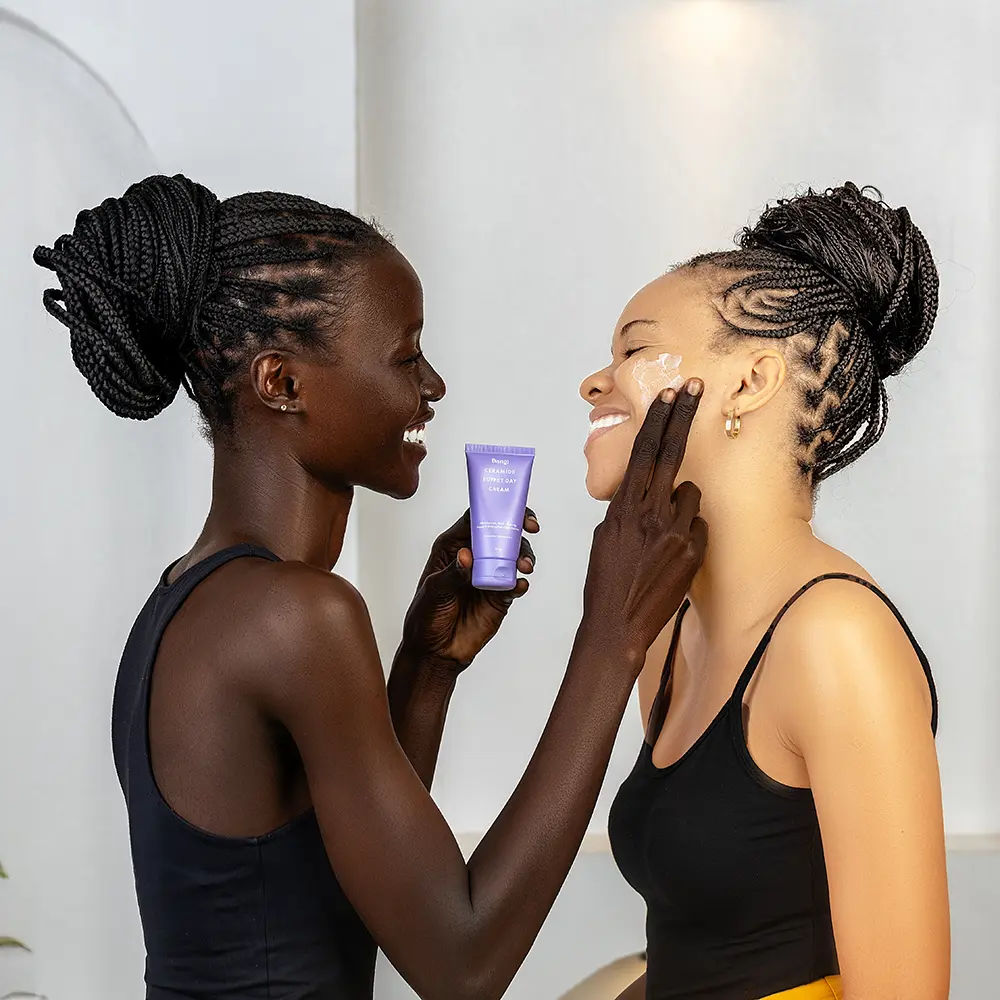
Choose lightweight, oil-free, lightweight moisturisers. Ingredients like ceramides, niacinamide, and aloe vera are excellent for soothing melanin-rich skin. Explore the Dang! Ceramides Buffet Day CreamSun Protection (AM Only)
SPF 50 broad-spectrum sunscreen is non-negotiable. For melanin-rich skin, look for invisible gel formulas or sunscreens with no white cast. Sunscreen prevents dark spots from getting darker and protects healing skin. Explore the Dang! Hydra Glow Sun Protection Gel (100% clear/transparent sunscreen)Weekly Bonus
- Exfoliation (1–2x per week): Gentle chemical exfoliants like AHAs (lactic acid, mandelic acid) or BHAs help renew skin and keep pores clear. Avoid aggressive scrubbing, which can worsen inflammation.
Professional Treatments for Acne and Hyperpigmentation
For stubborn or severe acne, it’s best to seek professional care. Options include:- Chemical Peels (great for fading dark spots on melanin-rich skin when done safely)
- Microneedling (helps with acne scars and uneven texture)
- Prescription Treatments (retinoids, oral medications)
Lifestyle Tips for Acne-Prone Skin
- Change pillowcases and towels often to reduce bacteria.
- Don’t pick pimples (it worsens hyperpigmentation).
- Manage stress and diet (sugar and dairy can trigger some people).
- Stick to your routine for at least 8–12 weeks before judging results.
Why Melanin-Rich Skin Needs Special/Expert Care
- More prone to PIH (dark spots linger longer).
- Keloid or raised scars are more common.
- Strong actives or bleaching agents can cause hypo-pigmentation (light patches).
How Dang! Lifestyle Supports Acne-Prone Skin
At Dang! Lifestyle, our formulations are made with melanin-skin (people of colour) in mind, dermatologist-backed, safe, and proven to deliver results without compromising your natural tone. Here’s our recommended acne-prone skin care routine:- Gentle Foaming Daily Cleanser that removes dirt and oil without stripping your skin.
- Mandelic Acid foaming face wash for exfoliating 2-3 times weekly.
- Niacinamide Serum for oil control and reducing inflammation.
- Azelaic Acid Serum for Acne Treatment and Hyperpigmentation
- Barrier Repair Moisturizer with Ceramides
- Lightweight Sunscreen that leaves no whitecast
- Benzoyl Peroxide for spot treating active acne (for occasional use only)
Final Thoughts
Managing acne on melanin-rich skin isn’t just about fighting pimples. It’s about protecting your skin barrier, preventing dark spots, and building a consistent routine that supports long-term skin health. Clear and radiant skin is possible with the right products, the right knowledge, and a little patience.FAQs: Skincare Routine for Acne-Prone Skin
Is vitamin C good for acne?
Vitamin C isn’t a direct acne treatment, but it helps reduce inflammation, fade dark spots (post-acne hyperpigmentation), and support skin healing. It’s best used alongside acne treatments, not as a replacement.Is retinol or vitamin C better for acne?
Retinol is more effective for treating active acne because it increases cell turnover, unclogs pores, and prevents new breakouts. Vitamin C is better for addressing acne spots and overall skin brightness. Many routines use both, but not at the same time of day. It’s best to use Vitamin C in the morning and retinol at night.Which serum is best for acne?
Look for serums with ingredients like salicylic acid, niacinamide, or retinol. These directly target breakouts and excess oil. For fading acne spots, vitamin C or azelaic acid serums are excellent. The “best” depends on whether your priority is stopping breakouts or fading dark spots.Should I use niacinamide or vitamin C?
Both are great, but they serve different purposes:- Niacinamide: calms redness, regulates oil, and strengthens the skin barrier.
- Vitamin C: brightens, evens tone, reduces dark spots.
